


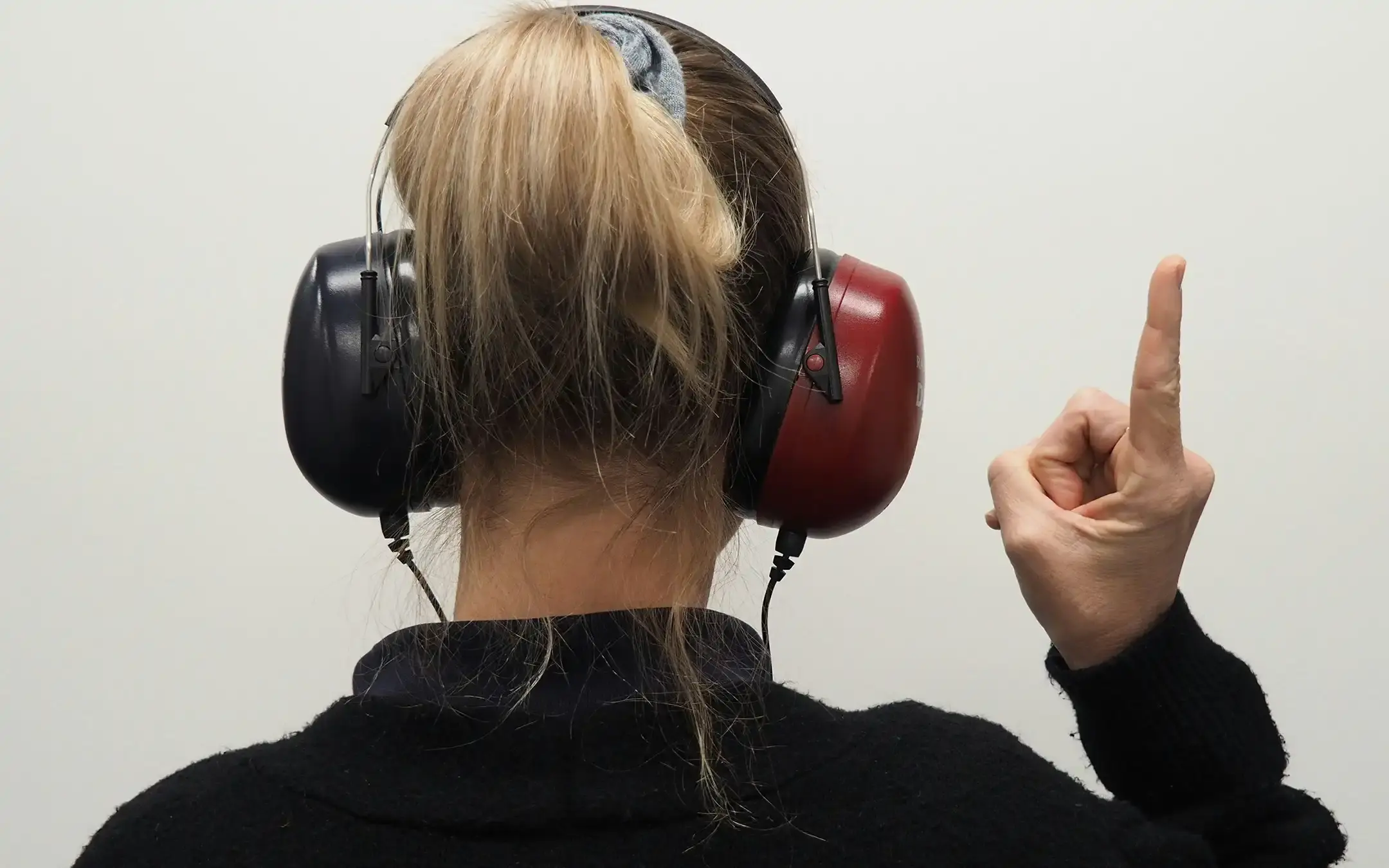
Hearing health has long been associated with corrective measures such as fitting hearing aids or addressing age-related hearing loss. However, a significant shift is underway in how audiology services are delivered and perceived, fueled by technological advancements and increased awareness of ear health as a cornerstone of overall well-being. Modern healthcare is moving toward prevention, early detection, and patient empowerment. Both audiology clinics and virtual platforms are expanding their reach thanks to telemedicine innovation and evolving market dynamics. Understanding these changes is crucial for professionals and organisations aiming to meet the growing demand for preventive ear care while embracing innovation.
Why preventive audiology is the future of ear care
Preventive ear health focuses on identifying risks before they develop into debilitating conditions. According to the World Health Organization (WHO), more than 1.5 billion people worldwide live with some degree of hearing loss, and nearly 2.5 billion are projected to experience it by 2050. The rise in noise exposure, ageing populations, and lifestyle changes are amplifying the importance of early screening and audiology evaluation.
Preventive approaches include:
- Regular audiology hearing tests for at-risk populations such as older adults, industrial workers, or young people exposed to high-volume environments.
- Wider use of audiology concepts that integrate ear health into primary care and wellness programs.
- Increased investment in audiology research and audiology training to empower professionals with the skills needed to address hearing challenges earlier.
- Turning to scientifically validated ear care solutions, such as protective formulations and preventive treatments, that can support overall ear health and help reduce the risk of conditions like infections or inflammation.
The preventive model not only reduces the prevalence and long-term healthcare costs of untreated hearing loss but also supports quality of life by protecting communication abilities, cognitive health, and social participation. In addition, it minimises risks associated with chronic ear conditions and empowers individuals to monitor ear health proactively using digital audiology.

Growing demand in ear health: A $1.9 bn market by 2025
The ear care market is expanding rapidly, driven by heightened ear health awareness and technological advancements. Recent market analyses estimate that the global audiology device and service sector will surpass $1.9 billion this year and about $3.6 billion by 2035. This growth reflects demand for both traditional and digital solutions, as well as stronger patient expectations for comprehensive care.
Several factors are fueling this expansion:
- Increased uptake of audiology services across all age groups, with younger demographics showing rising need due to music exposure, digital devices, and environmental factors.
- Integration of preventive screenings, such as audiology test packages, into primary care practices.
- Proliferation of audiology centre facilities, especially in urban regions worldwide.
- Rising consumer interest in understanding audiology meaning beyond treatment, focusing instead on prevention and wellness.
- Rapid evolution in audiology education requirements, with universities and professional bodies adapting their curricula to include digital screening and telecare.
- Advances in audiology clinic operations and service models, from remote audiology evaluation to specialised care for high-risk populations.
Alongside devices, there is growing recognition of the value of specialised ear care products designed to protect hearing and maintain ear health. Evidence-based formulations for conditions such as excessive earwax or irritation are increasingly adopted by both clinicians and patients as part of preventive strategies, complementing traditional interventions and diagnostics.

Digital transformation and teleaudiology: Reaching underserved patients
Digital health is redefining the future of audiology services, making preventive care and specialist consultation more accessible than ever before. Audiology online platforms are bridging gaps for patients who cannot easily access an audiology centre. This shift is particularly significant in regions with limited healthcare resources or where populations face challenges related to mobility.
Clinicians can perform initial audiology evaluation remotely, offer ongoing management, and provide patient education, helping those who might otherwise forego timely assessment. The implementation of such digital service models not only expands the reach of audiology service company providers but also promotes more equitable ear health for all segments of society. For practitioners, the adoption of teleaudiology supports modern care standards, streamlines records management, and enables broader participation in audiology research and professional training initiatives.
Recent studies have highlighted the effectiveness of teleaudiology, particularly for children and older adults, ensuring continuity of care for those for whom traditional clinic visits could be difficult. As digital transformation continues to drive improvements in healthcare delivery, teleaudiology stands as a vital component in the expansion of preventive audiology services, supporting both patient outcomes and operational efficiency.

Closing the gap: Improving access to audiology services worldwide
Global disparities in hearing health persist, particularly in low- and middle-income countries where access to a qualified audiology clinic remains limited. Preventive care models must be coupled with expanded infrastructure and education to ensure equitable outcomes.
Efforts to close this gap include:
- Expanding the audiology services and other localised initiatives to improve coverage.
- Key partnerships with companies that offer scalable models to meet underserved markets.
- Invest in continuous audiology research to identify effective prevention and intervention methods.
- Foster public health campaigns focused on ear hygiene, early detection, and audiology education requirements.
Alongside these structural initiatives, cost-effective and reliable preventive ear care products can serve as an accessible first line of defence, helping to address common issues before they escalate into more severe conditions that require specialised intervention.
Scaling solutions globally will require investment in technology as well as systemic approaches to patient-centred care and community-driven awareness programs. Policymakers, manufacturers, and service providers must work together to reduce barriers to audiology services, making preventive ear care the global norm.
As preventive audiology becomes central to modern ear care, the need for innovative, accessible, and science-driven solutions has never been greater. Mitelos is committed to supporting healthcare professionals and patients by offering advanced products that align with this transformation and helping organisations embrace a preventive and patient-first approach to ear health.
To learn more about our portfolio and how we can support your clinic, contact us today and join us in shaping the future of hearing care!
References
Dillard LK, Der C, Laplante-Lévesque A, Swanepoel W, Thorne PR, McPherson B, de Andrade V, Newall J, Ramos HD, Kaspar A, Nieman CL, Clark JL, Chadha S. An overview of World Health Organization guidance aiming to increase global access to critical hearing aid services. Int J Audiol. 2025 Apr 24:1-7. doi: 10.1080/14992027.2025.2492151
D’Onofrio KL, Zeng FG. Tele-Audiology: Current State and Future Directions. Front Digit Health. 2022 Jan 10;3:788103. doi: 10.3389/fdgth.2021.788103
Future Market Insights. Ear health market to reach USD 3.6 billion by 2035, growing at 6.6% CAGR. PharmiWeb.com [Internet]. 27 Jun 2025 [cited 2025 Sep 22]. Available from: https://www.pharmiweb.com/press-release/2025-06-27/ear-health-market-to-reach-usd-36-billion-by-2035-growing-at-66-cagr
World Health Organization. Deafness. Geneva: WHO [Internet]. 1 February 2024 [cited 2025 Sep 22]. Available from: https://www.who.int/news-room/facts-in-pictures/detail/deafness
World Health Organization. Deafness and hearing loss: fact sheet. Geneva: WHO [Internet]. 26 February 2025 [cited 2025 Sep 22]. Available from: https://www.who.int/news-room/fact-sheets/detail/deafness-and-hearing-loss