

How to Develop Safe & Effective Earwax Removal Treatments for Fast Market Entry
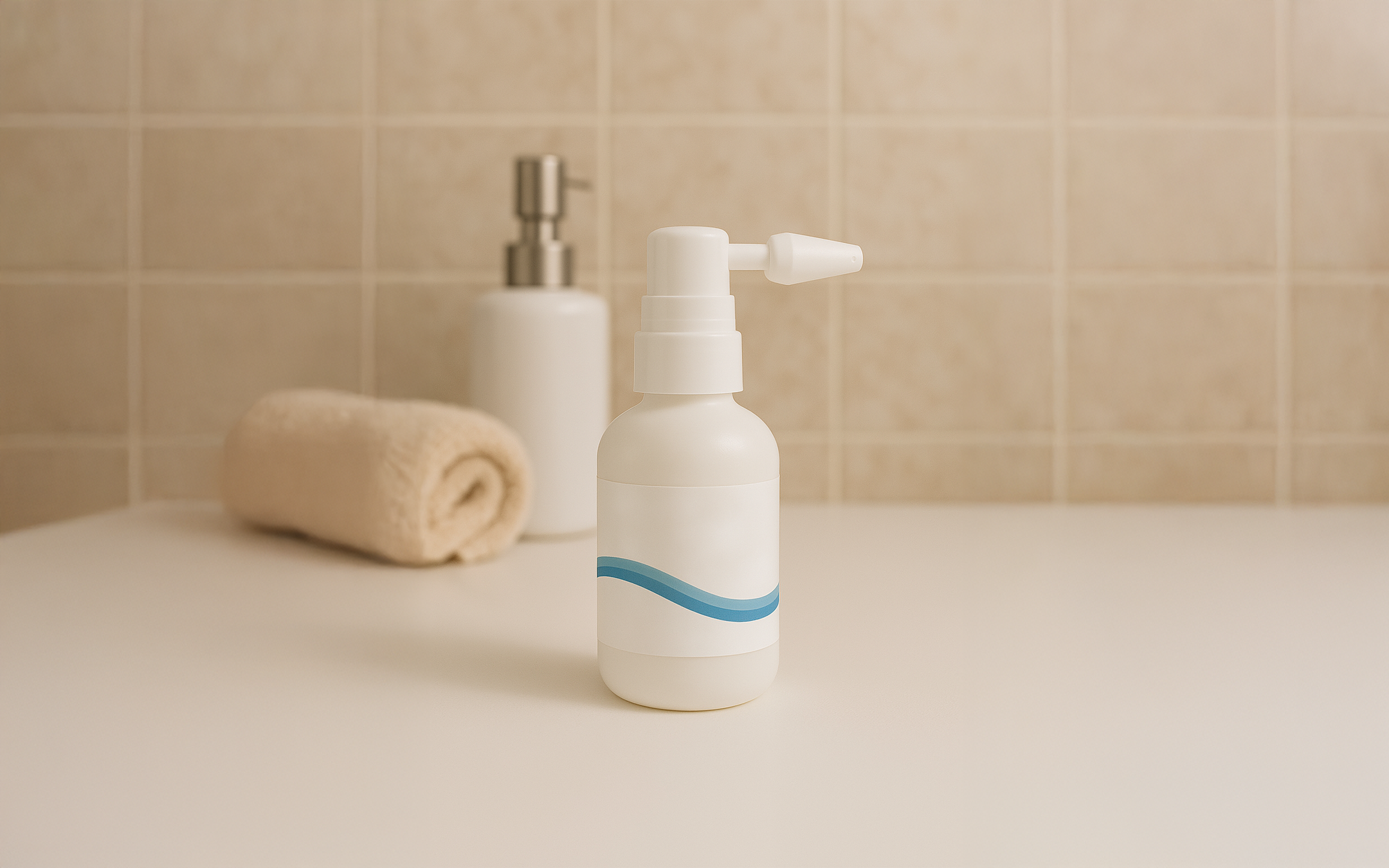
Earwax plays a crucial role in protecting the ear canal, but excessive accumulation can lead to discomfort, hearing loss, or even infection. With growing demand for safe, effective, and user-friendly earwax removal solutions, pharmaceutical companies and healthcare innovators have a clear opportunity: to bring medical-grade earwax removal treatments to market faster without compromising efficacy or regulatory compliance.
The earwax removal products market is experiencing significant growth driven by increasing awareness of ear hygiene. In 2024, it was valued at approximately USD 1.9 billion and is projected to reach USD 3.7 billion by 2034, with a compound annual growth rate (CAGR) of 7.1%.
But what is required to develop a solution that aligns with evolving regulations? Understanding the underlying science, formulation challenges, and market dynamics is key for success.
The Science Behind Earwax Removal Treatments: Mechanisms and Effectiveness
Earwax acts as a natural barrier against pathogens, dust, microorganisms, and foreign particles. However, certain factors, like the use of earplugs, hearing aids, or obsolete earwax removal tools (such as cotton swabs), can disturb the natural expulsion mechanism and cause earwax impaction.
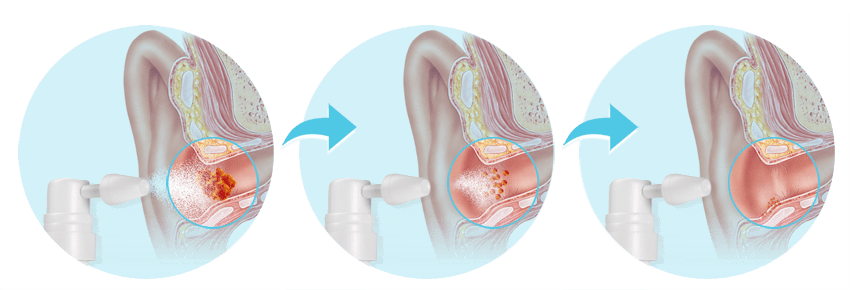
Understanding the mechanisms of removal is crucial when developing effective treatments. The most common treatment strategies work via one or more of the following mechanisms:
- Soften the earwax with cerumenolytic agents, facilitating its detachment and expulsion from the ear canal.
- Dissolve the dead skin cells that are relevant components of earwax, aiding natural drainage or manual removal.
- Lubricate the ear canal to reduce irritation and friction, favouring the manual removal.
- Dislodge the earwax blockage after softening through gentle irrigation or mechanical tools, decreasing the pain and discomfort to the patient.
The most effective earwax removal remedies should dissolve wax within a few days, cause minimal irritation, and not interfere with the ear’s microbiota. Products supported by clinical experience, in vitro tests, and positive feedback from users and ENT (ear, nose, and throat) specialists are more likely to gain the trust and support of consumers.
How to Formulate High-Performance Earwax Removal Drops: Key Ingredients and Stability Factors
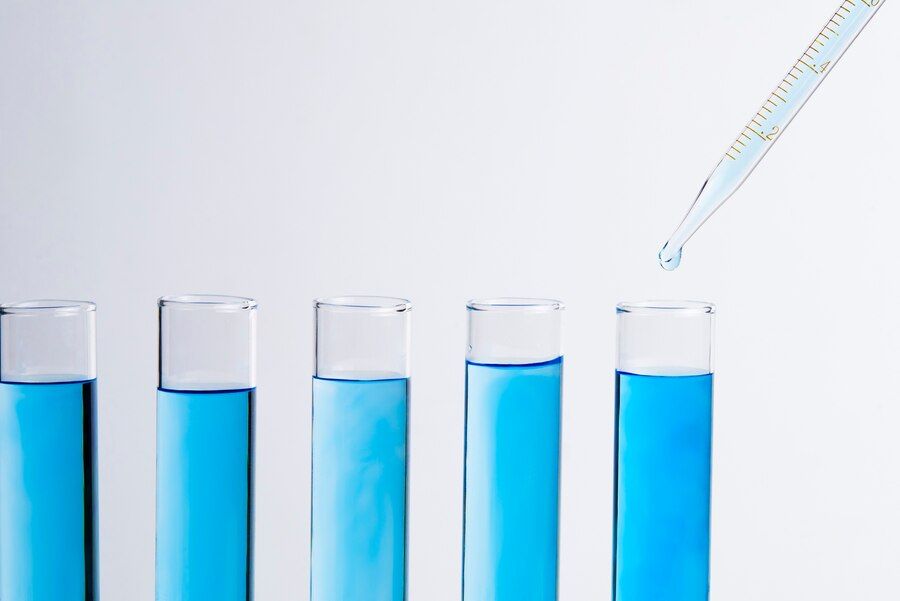
The effectiveness and market success of an earwax removal treatment are closely linked to its formulation. To develop a high-performance product, producers must consider the following points.
1. Selection of efficient active ingredients
It is highly recommended to select substances with the ability to break down and dissolve earwax plugs.
Emerging formulations may incorporate novel ingredients such as surfactants to aid earwax dispersion or enzymatic agents to enhance dissolution. However, these must be balanced to avoid damaging the natural barrier of the ear canal and be respectful of the microenvironment of the outer ear.
It is also worth pointing out that the best formulation is the one with a pH that mimics the natural environment of the external ear canal.
2. Improving texture and sensory experience
Patients are more likely to adhere to treatment when it feels comfortable. For instance, oil-based products may leave behind residue or interfere with hearing aids. This could be avoided by using aqueous formulations as those developed by Mitelos, which also facilitate rapid contact of the product with the cerumen to be dissolved and reduce the need for irrigation during the earwax removal process.
In addition to formulation chemistry, the administration method also influences user experience. For instance, earwax removal syringes, sprays, or droppers that provide controlled dosing and avoid contamination contribute to both safety and user satisfaction.
3. Stability and packaging
Oxidative degradation is a critical concern, particularly with earwax peroxide-based products. They tend to degrade over time when exposed to light and temperature. Protecting formulations with oxygen-impermeable packaging and adding stabilisers extends shelf life. With the right formulation and market strategy, the development of a safe and effective earwax removal treatment can be both clinically valuable and commercially successful. This is particularly true for B2B-focused companies like ours. At Mitelos, we specialise in developing and supplying scientifically supported OTC solutions for commercial partners. Our ready-to-license earwax removal formulations allow distributors and pharmaceutical firms to accelerate time-to-market.
Collaborating with us offers a proven pathway encouraged by innovation, compliance, and patient-centric design. Contact us if you are interested!
Sources
Pharmiweb. Global earwax removal market size is on track to rise steadily, reaching a value of USD 3,698.42 million by 2034 [Internet]. 2025 Jan 30 [cited 2025 Mar 24]. Available from: https://www.pharmiweb.com/press-release/2025-01-30/global-earwax-removal-market-size-is-on-track-to-rise-steadily-reaching-a-value-of-usd-3-69842-mill
Schwartz SR, Magit AE, Rosenfeld RM, et al. Clinical Practice Guideline (Update): Earwax (Cerumen Impaction). Otolaryngology–Head and Neck Surgery. 2017 Jan 3;156(1_suppl):S1-S29. doi:10.1177/0194599816671491.
Aaron K, Cooper TE, Warner L, Burton MJ. Ear drops for the removal of ear wax. Cochrane Database Syst Rev. 2018 Jul 25;7(7):CD012171. doi:10.1002/14651858.CD012171.pub2.