


Understanding Earwax Buildup: Implications for Product Development in Consumer Health
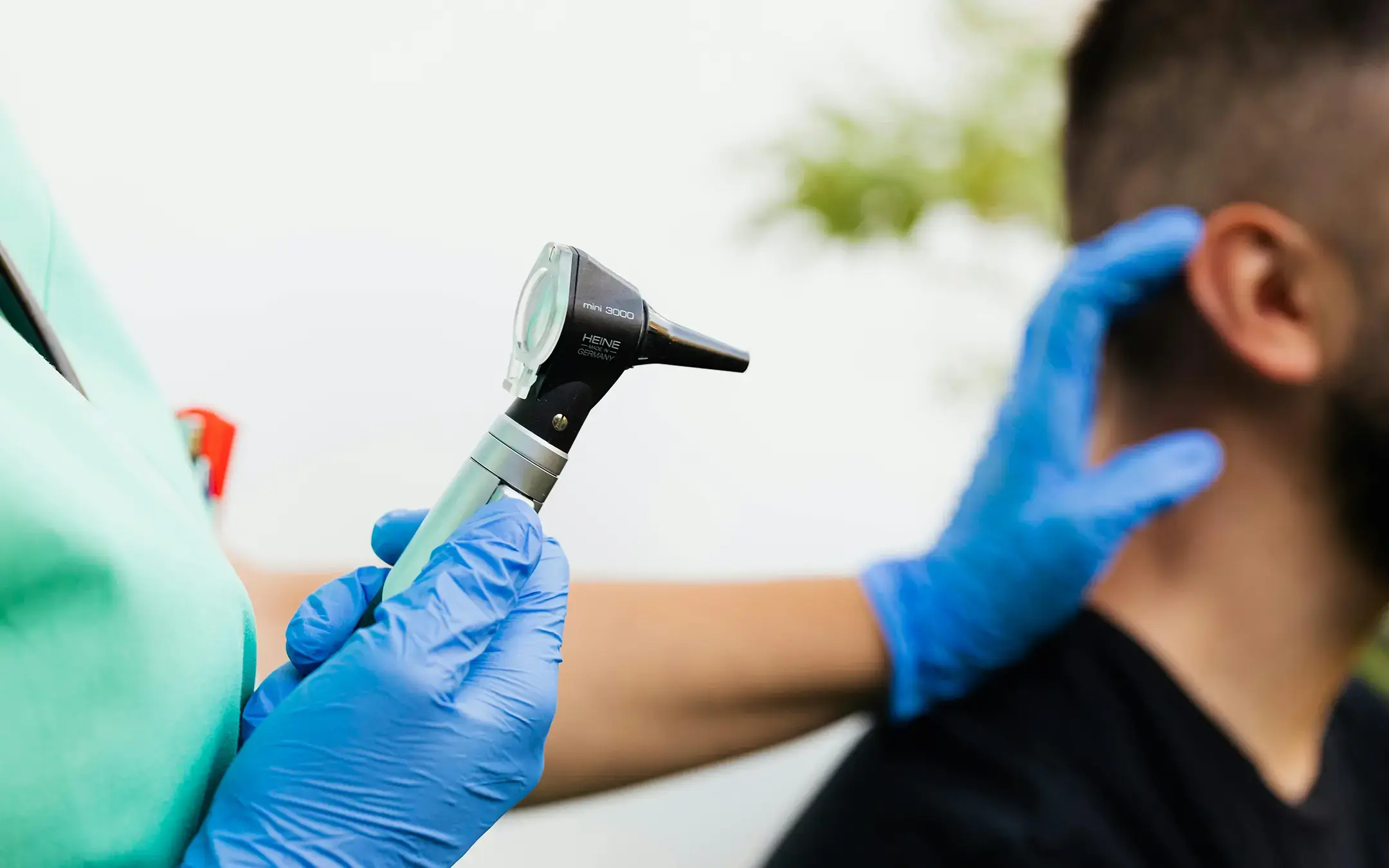
Earwax, or cerumen, is a natural substance produced by the ear canal to protect, clean, and lubricate the ear. While it plays an essential physiological role, excessive or impacted earwax is a common issue affecting millions worldwide.
For consumer health companies, targeting the earwax removal products market represents an opportunity to penetrate a growing niche with a compound annual growth rate (CAGR) of 7.1% in the next 10 years.
Profiling Patients with Chronic Earwax Buildup: A Strategic Insight for Product Innovation
Not all consumers facing earwax problems are the same. Chronic earwax impaction is more prevalent in specific demographics, including older adults, individuals with narrow or hairy ear canals, users of hearing aids or earplugs, and children prone to recurrent ear infections. These profiles are essential for segmentation and tailoring product development.
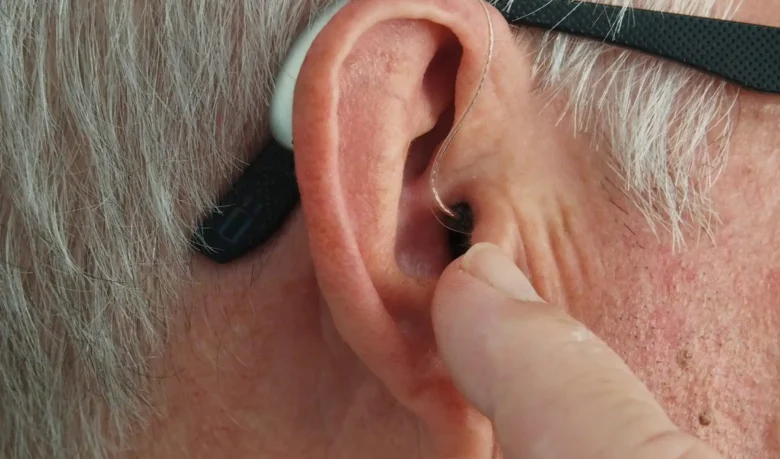
Approximately 30% of older adults require earwax buildup management. Earwax blockage is caused by age-related physiological changes such as increased and drier cerumen production, and changes in the shape of the ear canal. This population segment is also prone to wearing hearing aids, which also increases the probability of suffering cerumen impaction. Hearing aid users face a dual burden: earwax not only causes discomfort but also impairs the functionality of their devices.
Men are 1.8 times more likely to accumulate earwax than women, due to the presence of larger and coarser hair in the external auditory canal, which obstructs the natural migration of earwax, according to a recent study on cerumen impaction in the USA. The fact that black individuals are twice as likely to suffer earwax buildup shouldn’t be overlooked.
Understanding these segments allows companies to identify unmet needs and develop differentiated earwax removal treatments, varying formulation or delivery formats, that resonate with each group. Products tailored to age, ear anatomy, or device compatibility can lead to improved outcomes and stronger user loyalty.
From Symptoms to Demand: Understanding Clinical Pain Points Driving the Earwax Category
Earwax buildup symptoms include:
- Hearing loss
- Discomfort
- Itching
- Tinnitus
- Discharge or odor
- Dizziness
They can significantly affect quality of life and often lead patients to seek help in pharmacies, general practice, or ENT clinics. These touchpoints reveal the underlying demand structure for earwax solutions.
Irrigation, one of the most common in-clinic methods, can be uncomfortable or even painful. It also requires clinical supervision, which limits access. Homemade products, such as some earwax removal drops, sometimes fail to deliver proper application and present formulations that are too oily, creating a sticky mass that clogs the suction devices used in the clinic to extract earwax.
For consumer health brands, this disconnect between symptoms and satisfaction presents a unique opportunity. By closely studying clinical pain points, companies can identify innovation gaps in formulation, ear applicators, and packaging.
Earwax buildup symptoms include:
- Hearing loss
- Discomfort
- Itching
- Tinnitus
- Discharge or odor
- Dizziness
They can significantly affect quality of life and often lead patients to seek help in pharmacies, general practice, or ENT clinics. These touchpoints reveal the underlying demand structure for earwax solutions.
Irrigation, one of the most common in-clinic methods, can be uncomfortable or even painful. It also requires clinical supervision, which limits access. Homemade products, such as some earwax removal drops, sometimes fail to deliver proper application and present formulations that are too oily, creating a sticky mass that clogs the suction devices used in the clinic to extract earwax.
For consumer health brands, this disconnect between symptoms and satisfaction presents a unique opportunity. By closely studying clinical pain points, companies can identify innovation gaps in formulation, ear applicators, and packaging.
Translating Clinical Needs into Products: Key Considerations in Earwax Removal Formulation
Creating an effective earwax softener goes beyond adding a solvent into a bottle. Formulation requires a delicate balance between efficacy, safety, and sensory experience.
From a functional perspective, formulations must soften, dissolve, or break down cerumen without irritating the delicate skin of the ear canal. Oily compounds tend to mix with the cerumen to form a sticky mass that clogs the suction devices used to resolve cerumen impaction. On the other hand, some earwax dissolvers are too alkaline and therefore make the outer ear more prone to bacterial growth and infection. An alkaline pH is a known risk factor for otitis externa.
Innovations in aqueous formulations that respect the physiological pH are increasingly gaining momentum to enhance comfort while maintaining efficacy.
Ease of application is another critical factor. Dropper bottles may be unsuitable for elderly consumers with reduced dexterity, while sprays with precise nozzles can offer more accessible and hygienic delivery. Moreover, products that work within minutes or provide noticeable relief with a few applications are more likely to win consumer confidence.
Packaging and positioning also play a pivotal role. Messaging that focuses on symptom relief, safety, and usability will resonate with both health-conscious consumers and caregivers seeking solutions for dependents. Where appropriate, endorsements by ENT specialists can further strengthen the product’s credibility.
Why Addressing Earwax Buildup Strengthens Your Consumer Health Portfolio
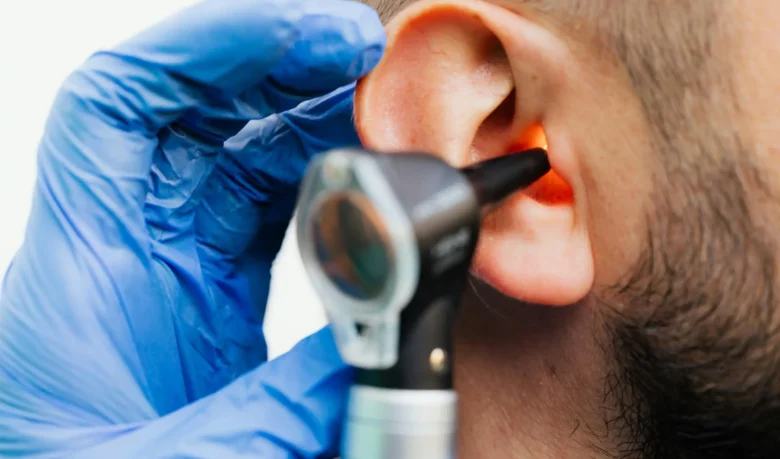
In an increasingly saturated consumer health landscape, differentiation often depends on the ability to identify niches with medical relevance and high recurrence rates. Earwax management checks both boxes. It represents a chronic, recurring condition with tangible symptoms and a clear consumer willingness to pay for relief. Earwax blockage accounts for 12 million medical office visits annually in the USA, and earwax removal is the third most billed procedure by otolaryngologists.
Finding the right partner to penetrate the market is essential for success. The appropriate partner not only offers innovative formulations demonstrated to be effective and safe, but also extensive knowledge in regulatory frameworks and market dynamics in different regions. This allows for faster go-to-market strategies.
At Mitelos, we not only develop and register OTC products for ear care, but we also love going into business, helping with regulatory clearance in your country, market analysis, and follow-up during our partnership.
We are always looking for new partners. If you distribute products in Canada, Germany, France, Poland, the Baltic countries, CIS markets, Mexico, the Asia-Pacific rim, or Australia, contact us. You can complete your portfolio with OTIBLOCK®, scientifically formulated to remove earwax from the outer ear.
Contact us at info@mitelos.com
Sources
Pharmiweb. Global earwax removal market size is on track to rise steadily, reaching a value of USD 3,698.42 million by 2034 [Internet]. 2025 Jan 30 [cited 2025 Mar 24]. Available from: https://www.pharmiweb.com/press-release/2025-01-30/global-earwax-removal-market-size-is-on-track-to-rise-steadily-reaching-a-value-of-usd-3-69842-mill
Schwartz SR, Magit AE, Rosenfeld RM, et al. Clinical Practice Guideline (Update): Earwax (Cerumen Impaction). Otolaryngology–Head and Neck Surgery. 2017 Jan 3;156(1_suppl):S1-S29. doi:10.1177/0194599816671491.
Aaron K, Cooper TE, Warner L, Burton MJ. Ear drops for the removal of ear wax. Cochrane Database Syst Rev. 2018 Jul 25;7(7):CD012171. doi:10.1002/14651858.CD012171.pub2.