



Transforming ENT care: From clinical practice to consumer health solutions in ear, nose and throat
The sphere of ear, nose and throat (ENT) care is experiencing a profound transformation, driven by technological advances and shifting patient expectations. No longer confined to the ENT clinic, treatment and management of ear, nose, and throat conditions are extending far beyond traditional clinical settings. This change is characterised by a more patient-centred approach, integrating clinical expertise with accessible over-the-counter (OTC) solutions that enhance self-care and empower individuals to manage their health more proactively. As the lines between clinical practice and consumer health blur, it becomes essential to understand what this evolution entails for both patients and healthcare providers.
What ENT specialists treat and how care is evolving beyond the clinic
ENT specialists are highly trained to diagnose and treat a broad spectrum of conditions affecting the ears, nose, throat, and related structures of the head and neck, which represent up to 50 % of disorders treated at health facilities in some settings. The most common ENT problems vary by age group and region. Globally, common issues include chronic sinusitis, ear infections, preventable hearing loss, voice disorders, vertigo and sleep apnoea.
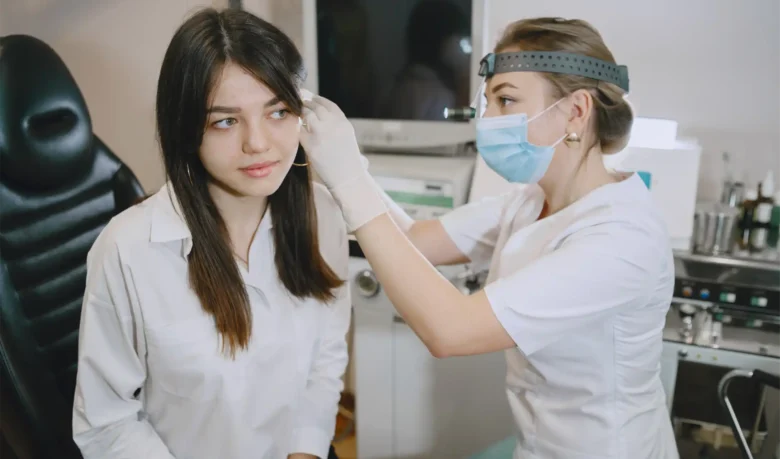
Actually, a number of them are related to earwax-related issues, which consistently rank among the top worldwide of the most frequent reasons for ENT visits in primary and specialist settings. In fact, according to the National Institutes of Health, cerumen impaction alone affects about 10 % of children and more than 30 % of older adults.
Although patients seek ENT services for a wide range of reasons, the high prevalence of common, often preventable, disorders means that the current clinical structure struggles to meet demand effectively. This pressure on the ENT clinic is accelerating the development of pathways that leverage primary care and over-the-counter (OTC) management. The ability of non-specialist clinicians to accurately diagnose and manage less severe ENT care conditions is becoming critical for preserving ENT specialist capacity for complex surgical and advanced diagnostic cases.
ENT care solutions: From clinical practice to OTC consumer health products
The growing demand for ENT services necessitates a move away from solely relying on clinical practice towards integrated consumer health strategies. This paradigm shift is taking hold across healthcare, empowering individuals with tools for self-management and early detection.
This translates into the need for carefully designed ENT care products that align with clinical guidelines but are easily accessible.
This involves mastering three key strategic pillars:
- Optimising the preventative gateway: Focusing on solutions that manage high-frequency, low-acuity complaints before they necessitate specialised intervention. This includes reinforcing the role of accessible evidence-based ENT self-care solutions.
- Integrating advanced disease awareness into consumer journeys: Leveraging technology and intelligent ENT product design to provide consumers with tools that support informed self-triage, facilitating early identification of issues without overloading the specialist channel.
- Building customised aftercare protocols: Developing targeted systems and products designed not just to treat, but to support specific user cohorts with unique, ongoing needs.
Successful ENT product design in this environment prioritises patient autonomy and convenience, ensuring products are clinically effective while offering a seamless user experience that encourages long-term adherence to preventative regimes.

ENT visits and treatments: What patients expect and how the model is shifting
Patient expectations are fundamentally reshaping the delivery of ENT care. Modern health consumers demand convenience, shared decision-making, and transparency in both procedure and ENT treatment cost.
A first visit usually involves a comprehensive assessment tailored to the patient’s chief complaint. This may include a thorough history, a physical ENT exam (potentially including diagnostic imaging or audiological tests), and a discussion of preliminary diagnoses and recommended treatments. However, the pressure to reform elective care has led to innovations like specialist triaging of referrals and straight-to-test pathways, ensuring patients are seen by the most appropriate clinician the first time.
Digital health technologies play a pivotal role in streamlining the patient experience and supporting the evolution of the ENT retail model. The implementation of a patient portal can be one such advance, offering patients direct access to their electronic health records, educational materials, and streamlined communication, which can improve adherence and health status awareness.
By transitioning many initial visits to digitally supported consultations and providing robust over-the-counter (OTC) ENT solutions for common, low-acuity conditions, otolaryngology practices can focus their resources on complex, high-value treatments. This approach reduces waiting times but also provides patient-centred services where and when they are needed, establishing a consistent journey that spans the ENT clinic and the pharmacy shelf.
At Mitelos, we recognise that the future of ENT care is defined by partnership between clinical expertise and accessible commercial innovation. We support distributors and healthcare systems in structuring their portfolios, refining clinical-commercial messaging, and ensuring that newly developed products align seamlessly with evidence-based practice and evolving patient needs.
If you are looking to optimise your market strategy, contact us to leverage our expertise in building authority and sustained growth in the global otolaryngology market.

References
Hayois L, Dunsmore A. Common and serious ENT presentations in primary care. InnovAiT: Education and inspiration for general practice. 2022;16(2):79-86. doi: 10.1177/17557380221140131
Lukama L, Aldous C, Michelo C, Kalinda C. Ear, Nose and Throat (ENT) disease diagnostic error in low-resource health care: Observations from a hospital-based cross-sectional study. PLoS One. 2023 Feb 9;18(2):e0281686. doi: 10.1371/journal.pone.0281686
Murphy DC. A comprehensive review of otorhinolaryngological global health concerns. J Laryngol Otol. 2019 Nov;133(11):930-935. doi: 10.1017/S002221511900197X
NHS England. Ear, Nose and Throat Elective Care Handbook [Internet]. NHS England; 2019 Apr [cited 2025 Nov 25]. Available from: https://www.england.nhs.uk/wp-content/uploads/2019/04/ear-nose-throat-elective-care-handbook.pdf
Sevy JO, Hohman MH, Singh A. Cerumen Impaction Removal. [Updated 2023 Mar 1]. In: StatPearls [Internet]. Treasure Island (FL): StatPearls Publishing; 2025 Jan-. Available from: https://www.ncbi.nlm.nih.gov/books/NBK448155/