


Managing microbial imbalance in hearing aid users: A consumer health perspective
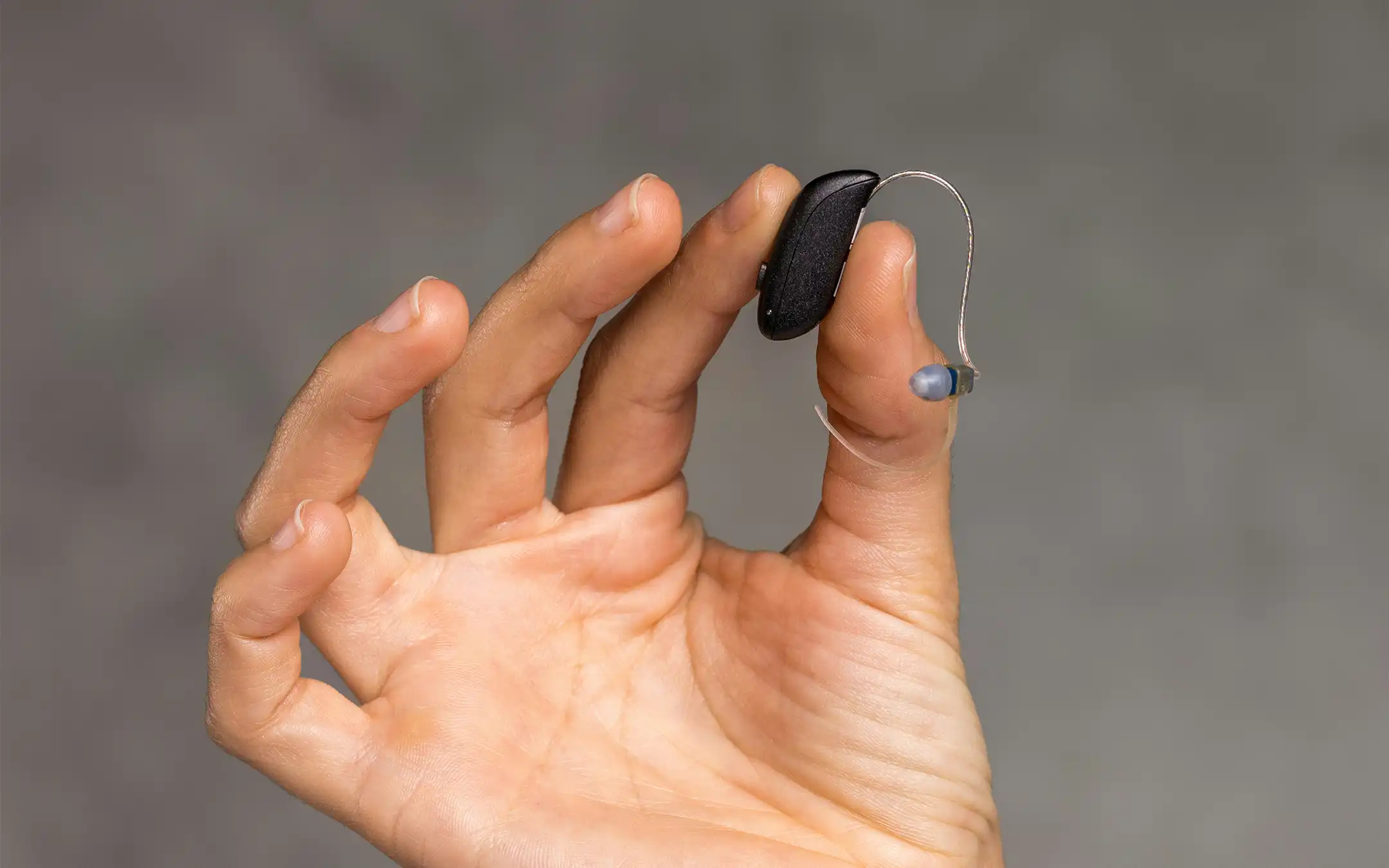
Hearing aid use has steadily increased worldwide, with millions relying on these devices to improve their quality of life and independence. However, an often-overlooked consequence of regular hearing aid use is the alteration of the delicate microbial ecosystem within the ear canal. For business developers and product managers working in consumer health, understanding the clinical significance and portfolio opportunities around microbial imbalance in hearing aid users represents both a challenge and a compelling new frontier for innovation.
What does microbial imbalance mean in hearing aid users?
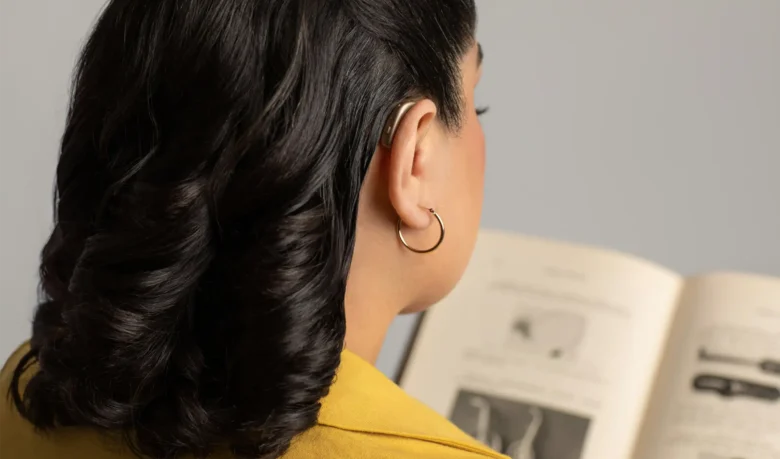
Microbial imbalance, or dysbiosis, refers to the disruption of the normal equilibrium of microorganisms (bacteria and fungi) that inhabit the ear canal microbiome. Hearing aids (and associated debris or earwax), by altering physical conditions and trapping heat and moisture, can promote the growth of non-native pathogenic species while suppressing beneficial microbes. This imbalance can manifest as different symptoms, including itching, irritation, abnormal discharge, and persistent discomfort.
Key microbial imbalance causes in hearing aid users include:
- Occlusion of the canal by earmoulds or device shells, reducing ventilation and increasing humidity.
- Accumulation of earwax, debris, or microbial biofilms on device surfaces.
- Altered cleaning or hygiene routines.
Clinical and consumer health implications of altered ear canal flora
Microbial imbalance in hearing aid users can manifest in various ways. Some individuals may experience mild itching or intermittent irritation, while others may notice chronic moisture, recurrent cerumen occlusion or increased sensitivity during daily device use. In more pronounced cases, dysbiosis may precede or accompany episodes of ear infections led by hearing aids, particularly otitis externa. These microbial imbalance symptoms often progress gradually, which means patients may not initially associate discomfort with ecological changes in the ear canal.
When microbial balance is disrupted, the ear canal becomes more prone to inflammation and colonisation by opportunistic microbes. This does not necessarily present as an acute infection; rather, discomfort, moisture retention and increased wax accumulation are often the earliest signals.
For device wearers, these changes can affect adherence. Reduced comfort often leads to inconsistent use, which, in turn, affects perceived benefit and overall outcomes. The otitis externa risk in hearing aid users is higher where humidity is persistent or when canal skin integrity is compromised. Addressing this risk involves clear explanations rather than aggressive interventions: patients respond best when they understand why symptoms occur and how small habits influence comfort.
For healthcare distributors, this is a communication opportunity. When representing ear-care brands, the ability to contextualise microbial imbalance treatment as part of normal device adaptation, rather than a sign of pathology or a need for specialised intervention, is central to maintaining credibility in professional channels. This aligns particularly well with patient journeys that involve ongoing medical device use, where daily practicality and long-term tolerance matter as much as clinical resolution.
Probiotics, hygiene, and consumer health products for hearing aid users
Recent research on the gut-ear axis (or more broadly, the auditory-gut-brain axis) is illuminating the interplay between systemic microbial health and local ear immunity. Evidence now links gut dysbiosis to heightened susceptibility to ear infections, suggesting that interventions improving gut health may indirectly support ear health.
Probiotic-enriched and antimicrobial consumer health products, formulated for both the ear and gut, are being explored to restore microbial balance and reduce infection risk, especially in device users. OTC topical formulations employing strains with documented efficacy against common pathogens and supporting the regeneration of commensal flora are now emerging. User education is also paramount: guidelines on hearing aid hygiene, recommendations for drying techniques, and instructions for how to improve the ear microbiome are essential adjuncts.
Practical prevention-focused innovations are driving measurable benefits for device wearers. For B2B professionals, this means products may be positioned as part of a holistic consumer health ecosystem, bridging device hygiene, microbial balance and hearing wellness.
Strategic opportunities for consumer health brands in otologic care
As the market for hearing devices expands, so too does the relevance of informed support strategies. The opportunity here is not the creation of new, speculative product lines, but the consolidation of competence: aligning language, training and consumer guidance across pharmacy, audiology and retail networks.
For distributors, differentiation does not come from product novelty alone. It comes from the ability to:
- Train pharmacy staff to recognise early discomfort signals
- Provide clear explanations of what microbial balance means
- Equip audiology partners with aftercare frameworks
- Align messaging so that the patient journey is consistent across touchpoints
Leadership in consumer health does not become visible in extending product portfolios prematurely, but in enabling each stakeholder to understand the clinical context and act with confidence.
In conclusion, recognising and communicating the significance of microbial imbalance in hearing aid users strengthens the position of distributors who wish to be seen as category stewards rather than product suppliers. At Mitelos, we work alongside distribution partners to help structure these narratives, build evidence-aligned positioning and support launch and aftercare strategies that reinforce trust and continuity. The result is not just market presence, but sustained, credible authority in an area where understanding makes the difference.
If you are exploring how to strengthen your ear-care portfolio or refine your clinical-commercial messaging for hearing aid channels, we’d be glad to discuss how we can support you.

References
Graham AS, Ben-Azu B, Tremblay MÈ, Torre P 3rd, Senekal M, Laughton B, van der Kouwe A, Jankiewicz M, Kaba M, Holmes MJ. A review of the auditory-gut-brain axis. Front Neurosci. 2023 Aug 3;17:1183694. doi: 10.3389/fnins.2023.1183694
Sjövall A, Mustanoja E, Lyyski A, Auvinen P, Silvola J, Aarnisalo A, Pätäri-Sampo A, Laulajainen-Hongisto A. Microbiome of the External Auditory Canal: Changes After Long-Term Hearing Aid Use. Otol Neurotol. 2024 Jul 1;45(6):696-702. doi: 10.1097/MAO.0000000000004198