

Ear health is integral to our daily comfort and well-being, yet it often goes overlooked until issues arise. Many individuals face the nuisance of recurrent earwax blockage, which can cause discomfort, hearing loss, and even infections. Maintaining clear ears without over-cleaning, supporting the natural function of the ear, and leveraging scientifically proven preventive strategies is essential for overall ear hygiene. In recent years, the development of more effective, scientifically validated ear care products has opened new opportunities for both consumers and brands to approach earwax removal and prevention proactively.
Understanding the causes of recurrent earwax blockage
The human body produces earwax (cerumen) as a natural defence mechanism to trap dust, debris, and microorganisms, protecting the delicate structures of the ear canal. However, problems start when too much earwax is produced or not cleared effectively, resulting in earwax buildup and subsequent blockage.
Common causes of recurrent earwax blockage are:
- Genetic predisposition: Some people naturally produce more earwax or have narrow or curved ear canals, making natural expulsion difficult.
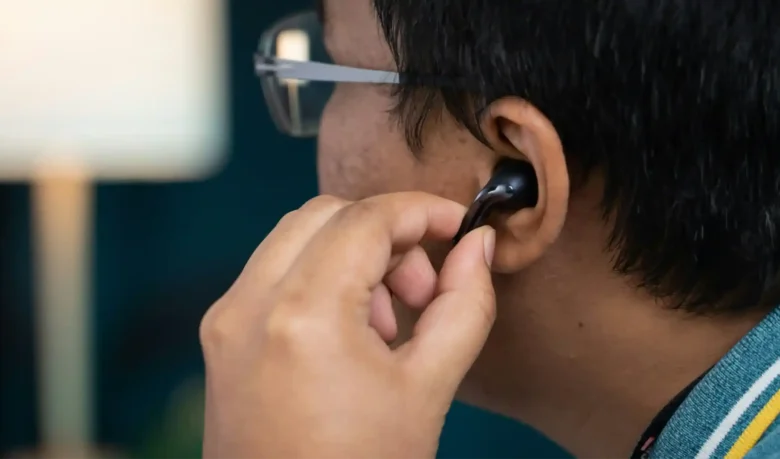
- Use of hearing aids or earbuds: Prolonged use of in-ear devices can push wax deeper into the canal, impeding its natural migration.
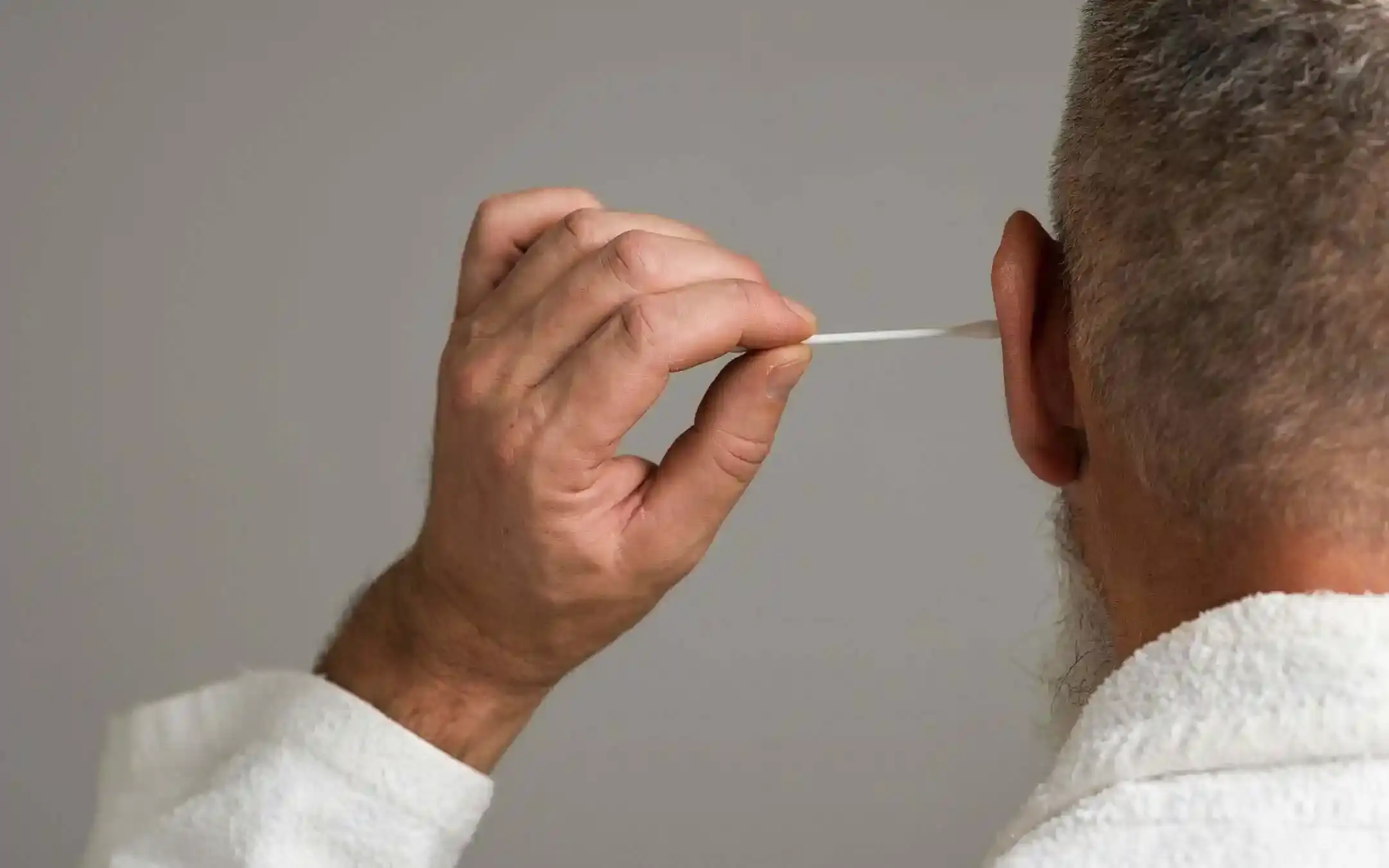
- Frequent use of cotton swabs or other cleaning objects: Attempting to clean ears with swabs tends to push wax further inside, increasing earwax impaction risk.
- Overproduction and skin conditions: Eczema, psoriasis, or chronic infections can stimulate glands to produce excess earwax.
- Ageing: With age, earwax becomes drier and harder, making it more likely to accumulate and become impacted.
While earwax blockage symptoms may vary, they commonly include earache, partial hearing loss, tinnitus, itching, cough, or dizziness. If left unaddressed, earwax impaction can lead to infection and more severe complications.
OTC strategies to prevent recurrent earwax blockage
Preventing the formation of recurrent earwax blockage is essential for maintaining ongoing ear health and comfort. OTC products designed specifically for this purpose help manage and reduce excess earwax before it consolidates into problematic plugs. These preventive solutions are safe, easy to incorporate into a regular ear care routine, and backed by clinical evidence.
Key preventive OTC earwax removal options include:
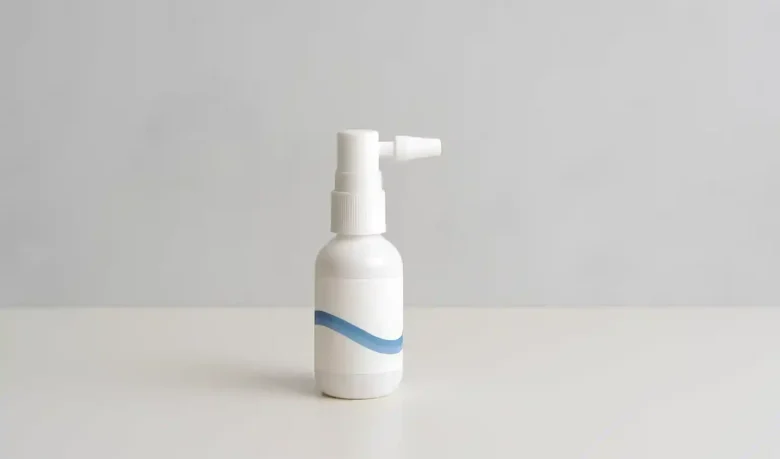
- Sprays and drops with gentle active ingredients
Products containing active ingredients softly break down excess cerumen while maintaining optimal moisture and pH balance in the ear canal. This helps reduce wax buildup without irritation.
- Natural oils
Medical-grade olive oil can be used periodically to soften earwax and support ear hygiene. However, use cautiously and avoid if there is suspicion of eardrum perforation or infection.
Mild applications, such as sprays or drops once or twice per week, are typically advised to maintain ear canal health and prevent wax consolidation. However, it’s important to consider that although these kinds of products support the ear’s natural self-cleaning mechanism, they are not substitutes for professional medical care when symptoms arise.
Preventive strategies to avoid earwax impaction
Avoiding earwax impaction also requires behavioural change and greater public awareness of safe ear care practices. Many recurrent cases stem not from excessive earwax production, but from counterproductive habits driven by misinformation or social stigma around ear hygiene. Education is key to breaking this cycle and promoting informed decisions when choosing preventive strategies.
To reduce the risk of impaction in the long term, it’s important to:
- Educate about safe cleaning: Emphasise that cotton swabs and other objects should never be inserted into the ear canal.
- Normalise routine ear care: Position ear hygiene as part of general wellbeing for people prone to excessive earwax production, not as a corrective action when symptoms appear.
- Provide clear product guidance: Ensure instructions and labelling answer common questions like how to cure ear blockage due to earwax.
- Encourage professional consultations: Promote periodic check-ups, especially for hearing aid users or those with recurring issues.
These strategies not only help prevent earwax blockage but also create a more informed and responsible consumer base. For manufacturers and developers, aligning product development with this preventive approach, through educational content and evidence-based formulations, can enhance both efficacy and trust.
Market positioning of OTC earwax removal products
The OTC earwax removal segment is evolving rapidly, driven by rising consumer awareness and demand for at-home solutions. Brands have the opportunity to stand out by offering evidence-backed products with proven efficacy and safety.
In this context, scientifically formulated cerumenolytics are key. Combining clinical validation with user-friendly formats, such as sprays, is essential to improve adherence and effectiveness. Moreover, informative packaging or educational materials add perceived value and trust.
For developers, partnering with experienced teams that understand formulation challenges, from stability to efficacy in the humid and sensitive ear canal environment, ensures faster time-to-market and better product performance. Whether targeting fast relief or long-term maintenance, the ability to create tailored cerumenolytic solutions grounded in scientific evidence is a critical differentiator in this increasingly competitive category.
Addressing earwax blockage through effective OTC strategies is not only a matter of user comfort, but also an opportunity for innovation in ear care. Companies that combine clinical know-how, user insights, and formulation expertise are ideally positioned to develop solutions that meet real-world needs. Whether improving existing earwax removal drops or formulating new earwax prevention products, collaborating with partners specialised in cerumenolytic development can unlock new growth in this category.
With a proven track record in developing and licensing advanced earwax removal solutions, at Mitelos, we support pharmaceutical partners in expanding their OTC ear care portfolio with clinically backed, ready-to-market products.
Ready to innovate and elevate patient outcomes? Contact us!
References
Sevy JO, Hohman MH, Singh A. Cerumen Impaction Removal. 2023 Mar 1. In: StatPearls [Internet]. Treasure Island (FL): StatPearls Publishing; 2025 Jan. PMID: 28846265. Available from: https://www.statpearls.com/point-of-care/19214?utm_source=mds&medium=organic
Schwartz SR, Magit AE, Rosenfeld RM, Ballachanda BB, Hackell JM, Krouse HJ, Lawlor CM, Lin K, Parham K, Stutz DR, Walsh S, Woodson EA, Yanagisawa K, Cunningham ER Jr. Clinical Practice Guideline (Update): Earwax (Cerumen Impaction). Otolaryngol Head Neck Surg. 2017 Jan;156(1_suppl):S1-S29. doi: 10.1177/0194599816671491. Erratum in: Otolaryngol Head Neck Surg. 2017 Sep;157(3):539. doi: 10.1177/0194599817725542
Agrawal V, Deshmukh PT. Ear Wax and its Impaction: Clinical Findings and Management. J. Pharm. Res. Int. 2021 Dec. 19;33(60A):176-82. doi: 10.9734/jpri/2021/v33i60A34471